


The end of the line is more important than you might think
When it comes to production efficiency, the focus is often on the main manufacturing operations. However, the final stages of the process also have a direct impact on the plant’s overall productivity.
Backups, slowdowns, or suboptimal handling can disrupt the production flow and create inefficiencies that affect the entire line.
For this reason, end-of-line conveyor systems play a crucial role in ensuring operational continuity and the organization of post-production activities.
What is meant by “end of line”?
The term “end-of-line” refers to all operations that take place after the product has been processed or packaged.
These include:
- Product Conveyance
- Temporary storage
- Sorting
- Quality Control
- Final Packaging
- Palletizing
- Preparing for Shipping
The goal is to ensure an orderly and continuous flow through to the subsequent logistics stages.
What systems are used for end-of-line operations?
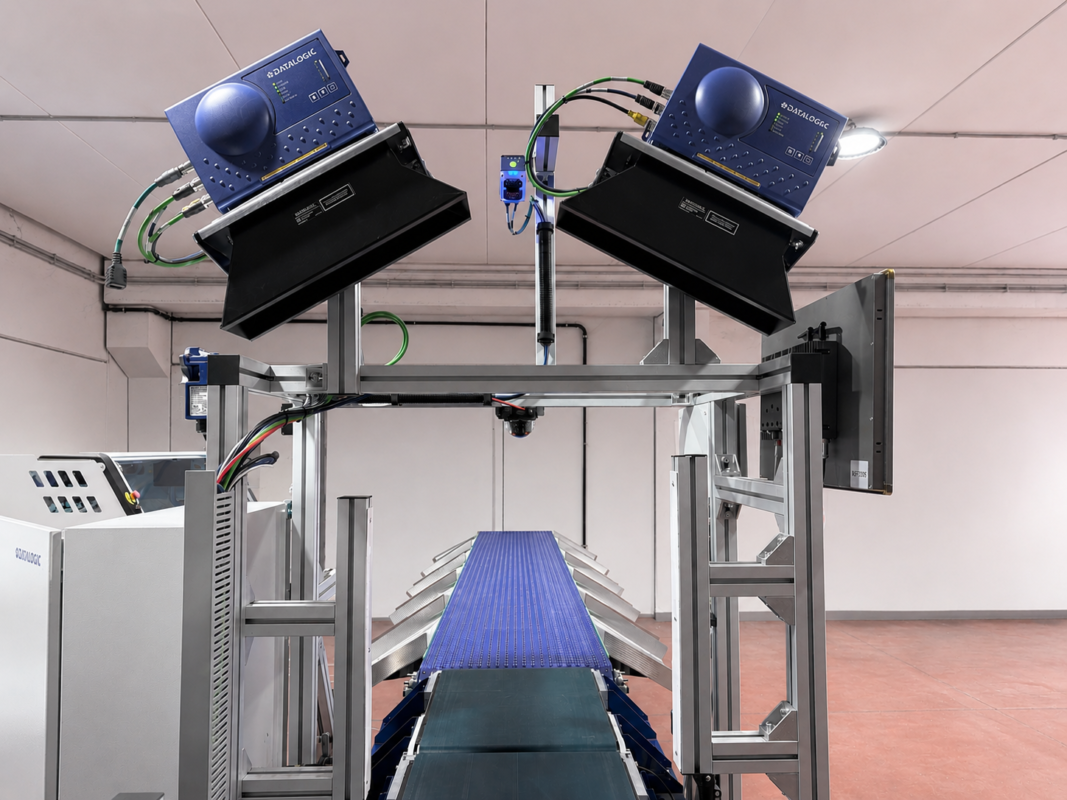
Depending on production requirements, the end-of-line system can incorporate various handling technologies.
- Conveyor Belts
Ideal for the continuous transfer of packaged products between different operating stations. - Conveyor Belts
Particularly suitable for boxes, packages, and pallets, they enable simple and reliable handling. - Modular Systems
They offer great design flexibility and allow for the creation of complex layouts even in small spaces. - Pallet transport
Essential in the final stages dedicated to storage and preparation of shipments.
The Benefits of a Well-Designed End-of-Line System
- Increased productivity
Continuity of flow reduces waiting times and slowdowns. - Reducing Manual Tasks
Automation reduces repetitive tasks and improves operational efficiency. - Better space management
Systems can be designed based on available layout and logistical needs. - Optimal preparation for shipping
Products and pallets are handled in an orderly and controlled manner.
Every system requires a customized solution
There is no standard configuration that works for all companies.
The design of the end-of-line system must take the following into account:
- Product type
- Production Volumes
- Available Spaces
- Required Level of Automation
- Storage and Shipping Procedures
For this reason, it is essential to develop customized systems that can integrate seamlessly with the rest of the production line.
Conclusions
An efficient end-of-line conveyor system helps improve the entire production process by reducing inefficiencies and ensuring a smoother flow of products during the final stages.
Investing in proper planning means increasing productivity, reliability, and the ability to respond to logistical needs.
Do you need to optimize your end-of-line process?
Tieffepi designs custom material handling systems for transporting products, packages, and pallets, integrating conveyor belts, roller conveyors, and automated solutions tailored to production needs. 👉 Contact us for a technical consultation.